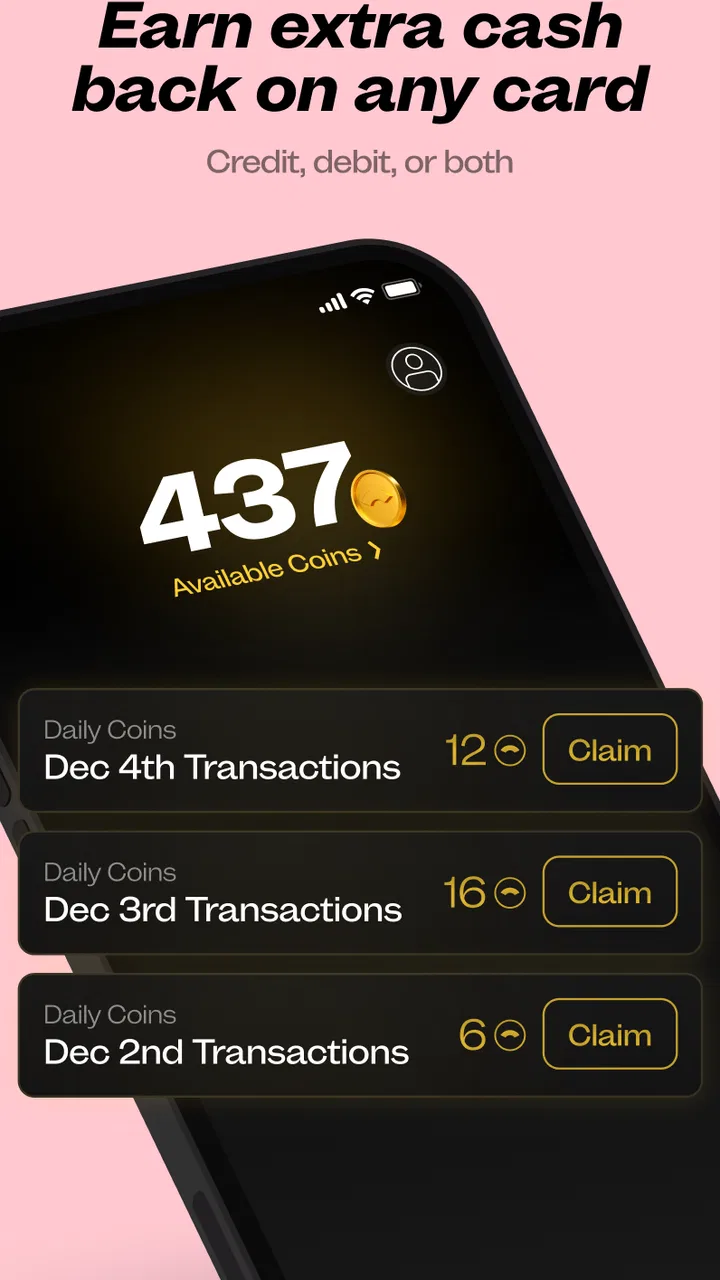
Bridge: Debit Card Rewards
- 4.3
- Rating
- 100.00K
- Installs
- Free
- Price

 Analysis by App-foxy
I approached Bridge: Debit Card Rewards as a shopping companion rather than a traditional banking tool. Its appeal is straightforward: it brings cashback, games, surveys, and other reward activities into one place, with the aim of turning ordinary spending or spare moments into something a little more useful. After spending time with it, I think the app makes the most sense for people who enjoy checking several small earning opportunities in one dashboard and who are willing to be selective about which activities deserve their attention.
That last point matters. Rewards apps can look exciting at first because they present many ways to collect value, but the real test is whether the experience remains understandable and manageable after the novelty wears off. Bridge Money, the developer behind this free shopping app, has built an experience that is easy to approach, although it still asks users to read carefully, keep expectations realistic, and make decisions based on time rather than on the promise of rewards alone.
How Bridge feels to use across different situations
I find Bridge most useful when I treat it as a flexible menu rather than a task list to clear. The mix of shopping rewards and other activities lets me match a visit to my plans, energy, and available time; that choice matters more than browsing every option. It also sets up a practical question: which situations make that flexibility worthwhile, and when would a narrower app be easier?
You May Also Like

 AccuWeather: Weather Radar
AccuWeather Review: A Quick, Clear Forecast for Everyday Decisions
For everyday plans, the best forecast is the one you can understand quickly. AccuWeather makes rain timing, radar, and local conditions easy to act on, with a few trade-offs.

 Hill Climb Racing
Why Hill Climb Racing Still Turns Crashes Into One More Run
A tiny car, a bumpy hill and one more upgrade: Hill Climb Racing keeps resurfacing because its simple chaos makes every near-miss feel personal.

 AliExpress - Shopping App
AliExpress Makes Global Shopping Feel Personal, but Shoppers Bear the Risk
AliExpress turns a global marketplace into a pocket-sized discovery engine. Its reach is useful, its shopping loop compelling, and its trade-offs easy to miss.

 Lords Mobile: Kingdom Wars
Lords Mobile Is a Kingdom-Building Routine, Not a Quick Match
A case-by-case verdict on the building, battles, device demands, and social commitments that make Lords Mobile rewarding for some players and exhausting for others.

 PDF Scanner app - TapScanner
TapScanner Makes Paperwork Easier to Capture, Check, and Share
TapScanner makes scanning with a phone feel less like a rescue operation and more like a dependable step in getting work done. Its capture tools are useful, though not flawless.

 Block Blast!
 Shows How Much a Puzzle Game Can Leave Out
A quiet grid game shows why puzzle players increasingly value instant clarity, repeatable skill and low-pressure play—and where the genre still needs to catch up.
More From Our News Desk
View All News


Readability and navigation come before the rewards
The strongest part of the experience is the basic idea of grouping different reward paths together. Instead of moving between a cashback service, a survey app, and a casual games platform, I can use one app to browse those categories. That makes Bridge particularly appealing when I want to see what is available without committing to a single type of task.
The store summary presents the app as a combination of cashback, games, surveys, and more, and that combination accurately describes the way I think about it. It is not just a coupon browser, and it is not purely a survey tool. The mixed format gives the app variety, but variety can also make an interface feel busier than a focused alternative. For me, the best way to use it is to enter with one goal: check shopping rewards, look for a short survey, or browse a game opportunity. Trying to inspect everything at once makes the experience less efficient.
I also recommend reading each activity before starting it. A reward card may look attractive in a quick scroll, but the useful question is not simply how much it appears to offer. I want to know what action is required, how long that action may take, and whether it fits something I was already planning to do. This habit improves clarity and protects against spending time on an offer that does not suit me.
For readers who prefer large, highly structured interfaces, the app may require a little patience. A rewards marketplace naturally contains multiple cards, labels, and calls to action, so visual scanning is part of the task. I found that slowing down and opening one option at a time was more comfortable than treating the home screen like a list to rush through.
The current release is version 6.0.0, and the app supports Android 7.0 or later. That gives it a relatively broad reach among Android users with older devices, though a compatible operating system does not automatically mean the experience will feel equally comfortable on every screen size or with every system setting. I would still check text scaling, display zoom, and touch response on the phone being used, especially if reading small labels is difficult.
Motor and sensory considerations in everyday use
Bridge is a hands-on app. Browsing, selecting, reading, and completing activities all depend on tapping accurately and moving through content. That makes it more practical for people who can comfortably perform repeated touch actions, but less convenient for anyone who experiences fatigue, tremors, reduced dexterity, or discomfort from extended phone use.
One useful adjustment is to treat the app as a short-session tool rather than something that must remain open for a long stretch. I can check the available options, choose one suitable activity, and stop when the effort no longer feels worthwhile. This reduces repeated scrolling and prevents a reward task from becoming physically or mentally tiring.
For users with visual sensitivities, the mixed nature of the app deserves attention. Cashback listings, surveys, games, and promotional content can create a more stimulating environment than a plain shopping list. I would use the phone's own display and accessibility settings where helpful, such as increased text size, stronger contrast, or reduced animation settings if the device supports them. Those adjustments belong to the operating system rather than being a special Bridge feature, but they can make the app easier to inspect.
People who rely on screen readers or alternative input methods should approach the app cautiously and test the parts they need most. I do not want to claim a certification or promise that every screen behaves perfectly with assistive technology. The sensible approach is to open the app, move through the main reward areas, and confirm that labels and controls are understandable with the tools already used on the phone.
Audio is another consideration. A user may prefer to complete surveys or browse offers in a quiet environment, while games can be more distracting in public places. I found that the app works best when I decide in advance whether I am browsing, answering questions, or playing. That simple separation helps avoid sensory overload and makes it easier to stop before the session becomes frustrating.
Situational access: where the app fits naturally
A realistic use case is a planned shopping trip. Before buying something I already need, I can open Bridge and check whether a relevant cashback opportunity is available. The important discipline is to begin with the purchase, not the reward. If I start inventing purchases just to chase a small benefit, the app stops helping my budget. Used as a final check before ordinary spending, it has a clearer purpose.
Another situation is waiting time. During a short break, I might browse a survey or a game activity, but I would avoid beginning anything that demands more attention than I have available. This is where the app's mixture of options can be useful: I can choose between a passive shopping check and a more active task. It is also where the app can become inefficient if I keep switching between offers without finishing anything.
Bridge may suit households that want to experiment with rewards without paying an entry fee. The app itself is free, which lowers the barrier to trying it. However, users should distinguish between a free download and every possible cost connected with an activity. The listing includes in-app purchases ranging from two dollars to fifty-two dollars per item, so I would review any purchase prompt carefully and keep payment controls enabled if the phone is shared with children or other family members.
The Everyone content rating makes the app broadly approachable from an age-label perspective, but that does not remove the need for supervision around spending, surveys, or time-consuming offers. A young user may focus on the game-like parts and overlook the practical value of the task. I would explain that rewards are not the same as free money and that no activity is worth giving away more personal attention or purchasing something unnecessary.
For someone with limited data, battery, or connectivity, the best workflow is to prepare before starting. I would avoid opening a lengthy activity when I am travelling, using a restricted connection, or relying on a low battery. Even without making claims about specific technical requirements, reward tasks are more stressful when an interruption could leave the user unsure whether progress counted.
Useful habits that make the experience more inclusive
My first practical tip is to create a personal filter before browsing. I ask three questions: do I already want the product or service, can I understand the required steps, and can I finish without rushing? This turns Bridge from an endless offer feed into a decision tool. It is especially helpful for users who find crowded choice environments tiring.
My second tip is to separate “interesting” from “worthwhile.” A game may be entertaining, and a survey may be easy to open, but that does not mean either is a good use of time for every person. I would choose activities based on energy, concentration, and available time. Someone with limited stamina may benefit more from occasional cashback checks than from repeated task completion.
My third tip is to keep a simple personal record of what I started and why. I do not mean tracking invented earnings figures; I mean noting whether an activity was clear, comfortable, and worth repeating. After a few sessions, that record can reveal patterns: perhaps surveys are tiring, games are distracting, or shopping rewards are the only part that fits naturally into a routine. This is a better way to judge the app than reacting to whichever offer happens to appear first.
A fourth useful habit is to inspect purchase prompts with extra care. Because the app includes optional in-app purchases, I would never hand the phone to a child or less confident user without explaining how purchases work on the device. If the goal is simply to explore free reward opportunities, there is no reason to treat every prompt as part of the core experience.
Remaining barriers and where alternatives may be better
The biggest limitation is focus. A dedicated cashback service may be easier for someone who wants only shopping savings, while a dedicated survey platform may provide a more direct workflow for someone who enjoys questionnaires. Bridge's advantage is convenience through variety, but that same variety can make it harder to compare the value of one activity with another.
I also would not recommend it to anyone expecting predictable income. Rewards depend on the opportunities available and on the user's willingness to complete them. The app is better understood as a place to discover occasional benefits than as a replacement for paid work, a budgeting system, or a bank account. That distinction prevents disappointment and helps users judge each task on its actual effort.
Accessibility is another area where a focused alternative may be preferable. A simpler app with fewer content types can be easier for someone who needs a very consistent layout, minimal stimulation, or a narrow set of controls. Bridge can still be worth testing, particularly with device-level accessibility settings, but I would not choose it solely because it combines several functions. More functions do not automatically mean easier access.
Users who dislike promotional environments should also think twice. The app's purpose is to present opportunities, so browsing can feel like shopping even when no purchase is planned. If repeated offers encourage impulsive decisions, a plain savings tracker or a direct retailer app may be a healthier fit. In my experience, Bridge works best when I control the visit instead of letting the available options control my attention.
Privacy-conscious users should read each activity's own requirements before proceeding. Surveys and reward offers can involve their own questions or conditions, and I would avoid answering anything I do not understand. The right approach is selective participation: use the parts that feel clear and appropriate, and leave the rest unopened.
Who should try Bridge, and who should skip it?
I would recommend Bridge to an Android user who enjoys comparing small opportunities, already shops online or in participating contexts, and can comfortably read instructions before acting. It is also a reasonable choice for someone who likes having cashback, surveys, and games gathered in one place rather than maintaining several separate apps.
I would be more cautious recommending it to someone with a strict no-distraction routine, limited dexterity, strong sensitivity to busy interfaces, or a need for highly predictable rewards. Those users may find a single-purpose cashback or budgeting app easier to control. The same is true for anyone who tends to spend more merely because a reward is advertised; the app should support an existing plan, not create a reason to buy.
The app has enough public traction to feel established: it has a 4.3 average from around twelve thousand ratings and more than one hundred thousand installs. Those figures suggest that many people have tried it, but they do not replace personal testing. Reward experiences can vary considerably depending on shopping habits, patience, device settings, and which activities are available to an individual user.
Bridge Money has kept the entry price at free, which makes experimentation easy, while the optional purchase range means I would still use ordinary mobile-account safeguards. The app is intended for Everyone, but inclusive use depends on context: an adult checking cashback before a planned purchase has a very different experience from a child exploring games or a user with visual fatigue trying to read a packed rewards screen.
My inclusive verdict
After using it as a shopping and rewards companion, I see Bridge as a flexible option with a clear trade-off. Its strength is bringing several kinds of reward activity together, so I can choose something that matches the moment. Its weakness is that the same mixture demands more attention than a focused alternative and may not suit people who need a calm, highly consistent interface.
The best way to use Bridge is selectively: plan the purchase, read the task, check the effort, and stop when the activity no longer feels worthwhile. That approach also makes the app more accessible in practice because it reduces unnecessary scrolling, rushed taps, and pressure to complete every option.
For me, the app earns a place as an occasional companion rather than a daily obligation. I would open it before planned shopping, during suitable spare time, or when I specifically wanted to compare a few reward paths. I would not rely on it for dependable earnings, and I would not recommend it to someone who needs a simpler or more tightly controlled experience.
Overall, Bridge: Debit Card Rewards is worth trying if its combination of cashback, games, and surveys matches the way you already spend time and shop. Its inclusive potential comes less from a special promise and more from how thoughtfully the user approaches it: adjust the phone for readability, choose one activity at a time, avoid unnecessary purchases, and treat every reward as optional. With those boundaries, the app can be useful without becoming another source of clutter or pressure.
FAQs for Bridge: Debit Card Rewards
01What is Bridge: Debit Card Rewards, and how does it work?
Bridge: Debit Card Rewards is a rewards app designed to help users earn benefits from eligible debit-card purchases. After creating an account and connecting or using a supported card, the app may present available offers, cashback opportunities, or other rewards. The exact earning process can vary by promotion, merchant, location, and account eligibility, so it is important to read each offer’s terms before making a purchase.
02Is Bridge compatible with every debit card and bank account?
No. Compatibility can depend on your bank, card network, country, and the specific card you want to connect. During setup, Bridge may ask you to link a supported financial account or verify your card through a secure process. Before downloading, check the current compatibility information and make sure your bank is listed. Some prepaid, business, virtual, or jointly held cards may not qualify for every feature.
03How are rewards earned and redeemed in Bridge?
Rewards are generally earned by completing the requirements attached to an eligible offer, such as paying with a qualifying debit card at a participating merchant or meeting a minimum purchase amount. Offers may have activation dates, spending limits, exclusions, and expiration deadlines. Once rewards become available, redemption options and minimum thresholds may vary. Review the in-app balance and terms carefully because pending transactions may take time to confirm.
04Is Bridge: Debit Card Rewards safe to use with my financial information?
Bridge may require financial or card information to identify eligible purchases and calculate rewards, so users should review its privacy policy, security explanations, and requested permissions before connecting an account. Use the official app-store listing, create a strong unique password, and enable available security features. Avoid sharing login details with anyone, and contact your bank or Bridge support promptly if you notice an unfamiliar transaction or account activity.
05Are there fees, restrictions, or disadvantages to using Bridge?
The app may be free to download, but individual rewards can still include conditions that affect their value. Offers may exclude certain transactions, require card activation, impose purchase limits, or expire without notice. Rewards can also be delayed, unavailable in some regions, or subject to account verification. Before relying on an offer, confirm whether there are fees, redemption limits, merchant exclusions, or requirements that could make the reward less worthwhile.
Pros
- Automatic cashback on eligible debit card purchases
- No need to change banks to start earning rewards
- Simple app interface makes rewards easy to track
- Rewards can help offset everyday spending costs
- Useful for users who prefer debit over credit cards
Cons
- Reward rates and eligible merchants may change over time
- Cashback availability can depend on location and partner offers
- Requires linking a debit card and sharing transaction data
- Rewards may take time to become available for redemption
- Limited value if most purchases fall outside eligible categories

Bridge: Debit Card Rewards
Gallery